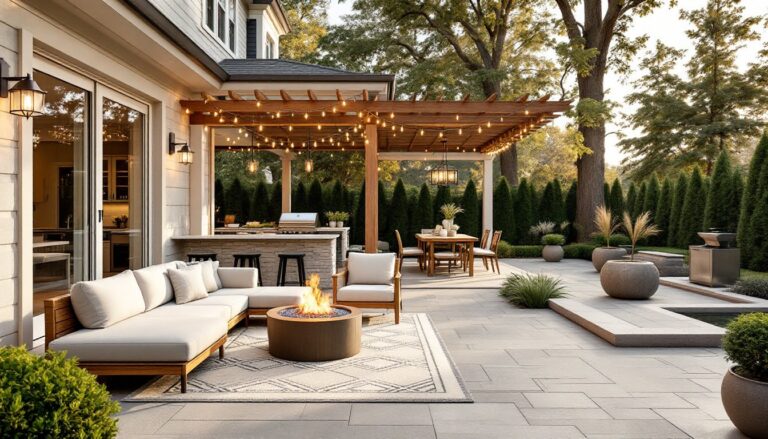
A pergola provides structure and style, but it doesn’t offer much in the way of shade or rain protection. That’s where a well-chosen cover comes in. Whether the goal is to block midday sun, create an outdoor room that’s usable in light rain, or add a design feature that ties the backyard together, the right covering transforms a pergola from decorative to functional. From retractable canopies and climbing vines to solid roofing and clear panels, the options range from quick DIY fixes to more permanent installations that may require carpentry skills and permits.
Table of Contents
ToggleKey Takeaways
- A pergola cover transforms outdoor structures from decorative to functional by providing real shade, UV protection, and weather defense for furniture and living spaces.
- Fabric and retractable canopy covers offer affordable, customizable solutions with easy DIY installation, while shade cloth in 70% density blocks most UV while maintaining airflow and ventilation.
- Living plant-based covers like wisteria, climbing roses, and grapevines add seasonal beauty and natural cooling through transpiration, but require at least one growing season for establishment and ongoing maintenance.
- Permanent roofing materials including corrugated metal, polycarbonate panels, and asphalt shingles provide year-round protection but may require structural reinforcement, building permits, and professional installation.
- Polycarbonate and clear panel options balance light transmission with weather protection, with multiwall designs offering superior insulation and tinted versions reducing glare and heat gain by 30–40%.
- Creative DIY pergola cover ideas such as outdoor curtains, sail shades, and reclaimed doors add character and customization, but all overhead materials must be securely fastened to prevent wind damage and safety hazards.
Why Covering Your Pergola Makes Sense
Bare pergola rafters filter sunlight but don’t stop UV rays or rain. Adding a cover provides real shade, extends outdoor living hours, and protects furniture and cushions from weather damage. A covered pergola also defines the space more clearly, turning it into an outdoor dining room, lounge, or kitchen extension.
From a practical standpoint, coverage reduces cooling costs by shading adjacent windows and doors. It also keeps decking or patio surfaces cooler underfoot. Some covers, like polycarbonate panels or metal roofing, can handle snow loads in colder climates, making the pergola usable year-round.
Finally, adding a cover can increase home value by creating finished outdoor square footage. Just be aware that permanent roofing may reclassify the structure in the eyes of your local building department, potentially requiring permits or setback compliance.
Fabric and Retractable Canopy Covers
Outdoor-grade fabric is one of the most popular pergola covers because it’s affordable, customizable, and relatively easy to install. Look for solution-dyed acrylic (such as Sunbrella) or marine-grade polyester with UV inhibitors. These materials resist fading, mildew, and water pooling better than standard canvas.
Retractable canopies mounted on tracks or cables offer the best of both worlds: shade when needed, open sky when not. Many DIY kits include stainless steel hardware and roller mechanisms that attach to the pergola’s beams. For 12×12 pergolas, expect fabric coverage of roughly 144 square feet, and budget for wind-rated hardware if the site is exposed.
Shade cloth is a budget-friendly alternative. It comes in various shade percentages (30%, 50%, 70%, 90%) and knitted polyethylene that won’t unravel when cut. A 70% shade cloth blocks most UV while still allowing airflow, which helps with wind load and ventilation. Attach it with grommets and zip ties, or sew a rod pocket and slide it onto the rafters.
Installation tip: Always slope fabric at least 1 inch per foot to shed water. Pooling will stretch and damage the material, and add unexpected weight. Use bungee cords or turnbuckles to maintain tension and prevent sagging.
Natural Plant-Based Covers
Climbing plants create living shade that cools through transpiration and adds curb appeal. The tradeoff is time, most vines take at least one full growing season to establish coverage, and maintenance, since pruning, watering, and pest control become part of the routine.
Wisteria is a classic choice for pergolas, offering cascading blooms in spring and dense foliage through summer. It’s aggressive, so expect to prune several times per year to keep it in bounds and prevent it from lifting shingles or gutters if the pergola is attached to the house. Wisteria prefers full sun and well-draining soil, and it can live for decades.
Climbing roses provide seasonal color and moderate shade. They need support wires or a trellis framework attached to the pergola’s posts. Thornless varieties like ‘Zephirine Drouhin’ are easier to manage overhead. Many experts at Gardenista recommend pairing roses with lighter companion vines for fuller coverage.
Grapevines are fast growers that deliver edible fruit and excellent shade density by midsummer. They thrive in USDA zones 4–10 and tolerate heat well. The downside is leaf drop in fall, which means raking and zero shade in winter. Train the main trunk up a post, then guide horizontal cordons along the rafters.
Bamboo or reed screening offers an instant plant-inspired look without the wait. Rolled bamboo fencing (typically 6 feet tall by 8–16 feet long) can be cut to size and zip-tied across the top of the pergola. It’s inexpensive, easy to replace, and provides around 60–70% shade. Expect a lifespan of 3–5 years before UV and weather break down the natural fibers.
Permanent Roofing Materials for Year-Round Protection
Permanent roofing turns a pergola into a true outdoor room, capable of handling rain, snow, and high winds. This approach often requires reinforcing the existing structure, 4×4 or 6×6 posts may need to be upsized, and rafters spaced at 16 or 24 inches on center to meet local building codes for roof loads.
Corrugated metal roofing (galvanized steel, aluminum, or Cor-Ten) is durable, fire-resistant, and available in a range of finishes. Standard panel widths are 26 or 36 inches, with lengths custom-cut to fit. Metal reflects heat, which keeps the space cooler, but it’s also loud in rain. Adding a layer of rigid foam insulation beneath the panels dampens sound and improves thermal performance. Fasten panels with neoprene-washered screws driven into solid blocking or purlins.
Asphalt shingles match most home roofs and are easy to source. They require solid decking (½-inch CDX plywood or OSB) over the rafters, plus underlayment (felt or synthetic) and drip edge. Shingles add significant weight, plan for roughly 2–3 pounds per square foot for materials alone, so verify that posts and footings are adequately sized. This is a job that may require a building permit and an inspection.
Cedar shakes or shingles deliver a natural look and good insulation. They’re more labor-intensive to install and need periodic treatment to prevent moss and rot. Expect a lifespan of 15–25 years depending on climate and maintenance.
Lattice topped with shingles is a hybrid option: 2×2 or 1×2 lattice provides partial shade and a base for lightweight roofing. It won’t handle snow loads, but it works well in mild climates and adds architectural interest.
Polycarbonate and Clear Panel Options
Clear or translucent panels let in light while blocking rain and UV, making them ideal for spaces that would feel too dark under solid roofing. Polycarbonate is the go-to material: it’s lighter than glass, impact-resistant, and available in various thicknesses (4mm, 6mm, 8mm, or multiwall designs).
Multiwall polycarbonate features internal ribs that add strength and insulation. Panels are typically sold in 4-foot or 6-foot widths and lengths up to 24 feet. They install with aluminum H-channels and U-trim, and require slight overlap or gasketed closure strips to prevent leaks. Always orient the panels so the internal channels run vertically for proper drainage and to avoid trapped condensation.
Corrugated polycarbonate or PVC panels (like Tuftex or Palruf) are budget-friendly and easy to cut with a circular saw fitted with a fine-tooth blade. They come in clear, white, and tinted options. The corrugated profile adds rigidity, but matching the corrugation to your rafter spacing is critical, 4-foot panel widths usually span well on rafters 24 inches on center. Use foam closure strips at the ends to block insects and debris without trapping moisture.
Tempered glass is a premium option that’s heavy, expensive, and typically requires professional installation. It’s best for modern designs or attached pergolas where transparency is a priority. Codes may require laminated or wire glass for overhead applications to reduce shatter risk.
A note on light transmission: Clear panels let in the most light but also the most heat. Opal or bronze-tinted polycarbonate cuts glare and heat gain by around 30–40% while still feeling bright. Resources like The Spruce often feature projects using tinted panels for balanced outdoor comfort.
Creative DIY Pergola Cover Ideas
For those willing to think outside the home center aisle, there are plenty of one-of-a-kind options that add character without requiring a contractor.
Outdoor curtains made from weather-resistant fabric (polyester, olefin, or Sunbrella) can be hung on stainless steel cables or curtain rods mounted to the pergola’s beams. Use grommets or tab-tops for easy sliding. Curtains add privacy, filter light, and can be drawn back when not needed. Hem weights or ground stakes keep them from blowing in the wind.
Reclaimed doors or shutters laid across the top create a rustic, cottage look. Make sure they’re secured to blocking or cross-braces, loose panels become dangerous projectiles in high wind. This approach works best as partial coverage or accent zones rather than full weatherproofing.
Sail shades (triangular or square tensioned fabric panels) can be layered above a pergola for a modern, sculptural effect. Use stainless steel turnbuckles and eye bolts anchored into posts or fascia. Overlap multiple sails at different heights to maximize coverage and create visual interest. Many homeowners and designers featured on Sunset use layered sails in contemporary outdoor spaces.
Corrugated fiber cement panels (like those used for siding) offer a lightweight, paintable surface that holds up well outdoors. They install similarly to polycarbonate but provide full shade instead of light transmission.
Thatched palm or grass thatch delivers a tropical resort vibe. Pre-made thatch panels are available through landscaping suppliers and attach with screws or wire. Expect to replace them every 3–5 years as the natural fibers degrade. Not ideal in fire-prone areas.
Safety note: Whatever material is used overhead, make sure it’s secured to the structure with appropriate fasteners, not just resting on top. Wind uplift can be significant, and falling panels are a serious hazard.
Conclusion
The best pergola cover balances function, aesthetics, and the skill level required to install it. Retractable canopies and shade cloth offer flexibility and easy setup, while permanent roofing and polycarbonate panels deliver year-round protection. Plant-based covers bring life and seasonal interest but need ongoing care. Whatever direction fits the project, proper installation and realistic expectations about maintenance will keep the pergola functional and looking sharp for years.