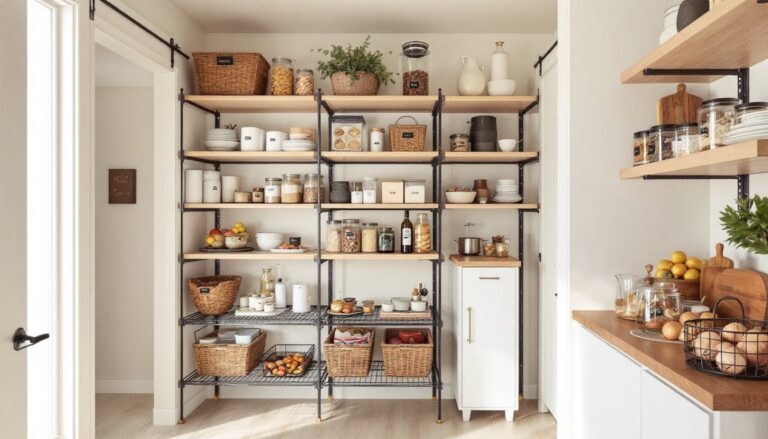
A chaotic pantry turns meal prep into a scavenger hunt. Expired cans hiding behind cereal boxes, spice jars tumbling out whenever the door opens, and that constant nagging feeling that there’s never enough space, even in a generous walk-in. The truth is, most pantries fail not from lack of square footage but from poor organization. With the right systems, containers, and layout strategies, even a shallow coat-closet-turned-pantry can become a model of efficiency. This guide walks through fifteen practical organizer ideas that work in real homes, from vertical shelving hacks to zone-based systems that make restocking and meal planning genuinely easier.
Table of Contents
ToggleKey Takeaways
- A well-organized pantry prevents food waste and cuts meal prep time in half by making every ingredient instantly visible and accessible.
- Pantry organizer ideas should focus on zone-based systems—baking, breakfast, canned goods, snacks, and spices—to streamline both cooking and restocking.
- Clear airtight containers, lazy Susans, shelf risers, and over-the-door racks form the foundation of any functional pantry organization system.
- Maximize vertical space in small pantries using adjustable shelving, hanging baskets, wall-mounted solutions, and even DIY pull-out carts at a fraction of cabinet installer costs.
- Budget-friendly DIY projects like gravity-fed can dispensers and chalkboard-labeled bins deliver custom pantry organizer solutions for $20–$50 in materials.
- Maintain long-term organization with simple weekly inventory checks, monthly deep cleans, and clear household guidelines for accessing the pantry.
Why Pantry Organization Matters for Your Home
A well-organized pantry saves money, reduces food waste, and cuts down on daily frustration. When every item has a designated spot, homeowners can see what they have at a glance, no more buying duplicate jars of tomato paste or tossing out forgotten bags of flour.
From a structural perspective, overcrowded shelves pose problems. Wire shelving rated for 50 pounds per linear foot can sag or fail if loaded unevenly with canned goods. Proper weight distribution and shelf support become essential in reach-in pantries where shelf spans exceed 36 inches.
Beyond function, an organized pantry makes meal planning faster. Instead of rummaging through cluttered shelves, cooks can pull ingredients in seconds. It’s the difference between a 20-minute weeknight dinner and a 45-minute ordeal.
Essential Organizing Tools and Containers
The foundation of any pantry system starts with the right containers and tools. Skip the guesswork and invest in a core set that handles most pantry staples.
Clear Airtight Containers
OPT for BPA-free plastic or borosilicate glass containers with airtight gasket seals. Standard sizes include 2-quart bins for flour and sugar, 1-quart jars for pasta, and half-pint containers for spices. Clear sides let users check inventory without opening lids. Label each container with contents and purchase date using a label maker or vinyl chalkboard labels.
Lazy Susans and Turntables
12-inch diameter turntables work well on deep shelves for oils, vinegars, and condiments. Two-tier lazy Susans maximize vertical space while keeping everything accessible. They’re particularly useful in corner cabinets or blind pantry corners.
Shelf Risers and Stackable Bins
Expandable wire shelf risers (typically 12 to 18 inches wide) double usable space by creating two tiers on one shelf. Stackable clear bins with handles allow homeowners to group snacks, baking supplies, or canned goods by category. Choose bins that fit shelf depth, most standard pantry shelves run 12 to 16 inches deep.
Door-Mounted Racks
Over-the-door organizers with adjustable wire baskets reclaim wasted vertical space. They’re ideal for lightweight items like snack bars, seasoning packets, or dish towels. Make sure the mounting brackets clear existing door hinges and don’t interfere with door swing.
Zone-Based Organization Strategies
Grouping pantry items by use-case streamlines both cooking and restocking. Think of zones as dedicated neighborhoods within the pantry.
Baking Zone
Cluster flour, sugar, baking powder, chocolate chips, and vanilla extract in one section. Use square or rectangular containers to maximize shelf real estate, round containers waste corner space. Keep measuring cups and a small scale in this zone for convenience.
Breakfast Zone
Cereals, oatmeal, coffee, tea, and breakfast bars belong together. Stackable cereal containers (about 4 quarts each) keep boxes fresh and prevent pantry moths. If space allows, add a small tray or bin for coffee filters and stirrers.
Canned Goods and Pantry Staples
Organize cans by type, tomatoes, beans, soups, broths, on stepped can organizers or tiered shelf risers. Rotate stock so older cans move to the front (first in, first out). Research from organizing experts shows that visible inventory reduces redundant purchases and food waste.
Snack Zone
Designate a low shelf or pull-out drawer for kids’ snacks. Clear bins with front-facing labels let children grab their own granola bars or crackers without creating chaos. Portion control becomes easier when snacks are pre-divided into smaller containers.
Spices and Seasonings
Store spices in a dedicated drawer, tiered rack, or magnetic strip. Uniform spice jars with labels on the lids make identification fast. Alphabetize if the collection exceeds a dozen jars.
Vertical Space Solutions for Small Pantries
When floor space is tight, the only direction to grow is up. Maximizing vertical real estate requires intentional shelving and smart accessories.
Adjustable Shelving
Most wire or laminate pantry shelving systems offer adjustable brackets at 1-inch intervals. Set shelves based on item height, 10 inches for cereal boxes, 6 inches for canned goods, 14 inches for small appliances. Avoid the temptation to space shelves evenly: custom heights prevent wasted vertical gaps.
Hanging Baskets and Hooks
Install S-hooks on wire shelving to hang lightweight items like chip clips, reusable grocery bags, or aprons. Under-shelf hanging baskets (typically 10 to 12 inches wide) add a storage tier without drilling. They work well for bread, snack bags, or kitchen linens.
Tall Pull-Out Pantries
In narrow spaces (as slim as 6 inches), a floor-to-ceiling pull-out pantry with multiple shelves turns a sliver of space into functional storage. These units typically mount on full-extension ball-bearing slides rated for 75 to 100 pounds. DIYers comfortable with a drill and level can install prefab pull-out kits: otherwise, hire a cabinet installer for precise alignment.
Over-the-Door and Wall-Mounted Solutions
Wall-mounted spice racks, magazine-style can dispensers, or pegboard systems keep frequently used items within arm’s reach. When mounting to drywall, locate studs or use heavy-duty toggle bolts rated for 50+ pounds if attaching to hollow areas. Many homeowners find inspiration in broader organizing strategies that apply to kitchens, garages, and closets alike.
DIY Pantry Organization Projects on a Budget
Custom organizers don’t require a contractor or a four-figure budget. With basic tools and materials, handy homeowners can build solutions tailored to their exact pantry dimensions.
Sliding Can Dispenser
Build a gravity-fed can rack using 1×4 pine or poplar boards and a sheet of 1/4-inch plywood. Cut the plywood into angled ramps (about 3 inches wide per can size), then frame with the 1×4s to create channels. Mount at a slight angle so cans roll forward as the front one is removed. Finish with primer and semi-gloss paint for easy cleaning. Total material cost typically runs $20 to $30 for a unit holding 30+ cans.
Chalkboard-Labeled Bins
Transform inexpensive plastic storage bins with a coat of chalkboard paint (available at most hardware stores for around $8 per pint). Apply two coats, let cure for 24 hours, then label with chalk markers (which don’t smudge like traditional chalk). This approach allows labels to change as pantry contents evolve.
Custom Shelf Dividers
Cut 1/4-inch hardboard or acrylic sheets to shelf height, then install vertically using adhesive shelf-divider clips or small L-brackets. Dividers prevent pasta boxes and Tupperware lids from toppling. A single 2×4-foot sheet of hardboard (about $6) yields a half-dozen dividers.
Rolling Pantry Cart
For pantries without built-in storage, a mobile cart adds flexibility. Use 3/4-inch plywood for the shelves, 1×3 pine for the frame, and locking casters rated for 100 pounds each. Assemble with wood glue and 1-1/4-inch pocket screws. Sand, prime, and paint to match kitchen cabinetry. A 24-inch-wide by 48-inch-tall cart costs roughly $50 in materials and takes an afternoon to build. Homeowners seeking additional storage solutions often pair pantry carts with freestanding cabinets for overflow items.
Safety Note: When cutting plywood or hardboard, wear safety goggles and a dust mask. Use a circular saw with a fine-tooth blade for clean cuts, or upgrade to a table saw if available.
Maintenance Tips to Keep Your Pantry Organized
A freshly organized pantry slides back into chaos without regular upkeep. Establish simple routines to maintain order long-term.
Weekly Inventory Check
Spend five minutes scanning shelves for expired items or nearly empty containers. Wipe down any spills immediately, sugar and flour attract pests. Refill frequently used containers so they don’t run dry mid-recipe.
Monthly Deep Clean
Remove all items from one zone at a time. Vacuum or sweep shelves, then wipe with a damp microfiber cloth and mild all-purpose cleaner. Check for signs of pantry moths (webbing in corners) or ants. If pests appear, discard infested items, vacuum thoroughly, and consider food-safe diatomaceous earth along shelf edges as a deterrent.
Quarterly Label and Date Review
Rotate stock by checking purchase or expiration dates. Move older items forward. Re-label containers if contents change. Many kitchen organization resources suggest a seasonal pantry audit to refresh inventory and donate unopable items to food banks.
Seasonal Adjustments
Swap out seasonal items, baking supplies front and center in December, grilling sauces in summer. Adjust shelf heights if storage needs shift (e.g., more room for holiday baking ingredients or bulk summer snacks).
Establish House Rules
If multiple people access the pantry, create simple guidelines: return items to their designated zones, close container lids fully, and add depleted items to a shared shopping list. A small whiteboard mounted inside the pantry door keeps the list visible and updated.
Conclusion
Transforming a cluttered pantry into an organized system doesn’t require expensive custom cabinetry or a full kitchen remodel. With intentional zoning, smart use of vertical space, and a handful of containers and DIY projects, homeowners can create a pantry that saves time, reduces waste, and makes daily cooking less stressful. Start with one zone, test what works, and expand from there, small improvements compound into a pantry that actually functions the way it should.