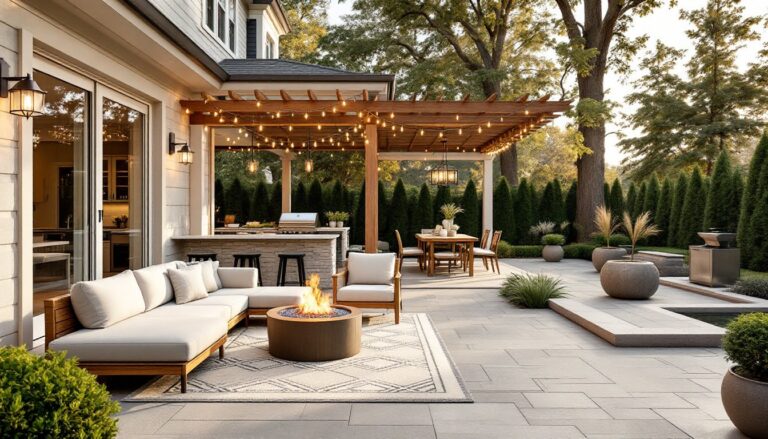
A deck doesn’t have to be just a pressure-treated platform with railing. When approached with intention, better materials, thoughtful layout, and curated features, it becomes a true extension of the home’s living space. Luxury deck design isn’t about excess: it’s about choices that improve comfort, durability, and visual impact. Whether building new or upgrading an existing structure, understanding the differences between standard and premium approaches helps homeowners make smart investments that last decades. The following ideas cover materials, layouts, amenities, and finishing details that push a deck beyond basic function into something genuinely elevated.
Table of Contents
ToggleKey Takeaways
- Luxury deck ideas prioritize durability and detail through premium materials like composite decking, tropical hardwoods (ipe, cumaru), or aluminum rather than basic pressure-treated wood.
- Multi-level designs with curved sections and integrated features like built-in seating, outdoor kitchens, and pergolas transform a deck into a genuine extension of your home.
- Layer lighting strategically with post cap lights, recessed deck lights, under-rail LED strips, and overhead strings to create ambiance and extend usability into evening hours.
- Premium decks anticipate real-world use with proper seat depth (18–20 inches), substantial stairs (11-inch treads, risers under 7.75 inches), and shade structures for comfort.
- Integrated amenities such as outdoor kitchens ($5,000–15,000), fire features, and radiant heating systems justify the investment through decades of enhanced outdoor living and increased home value.
What Makes a Deck Feel Luxurious?
Luxury in deck design starts with durability and detail rather than surface-level decoration. It’s the difference between basic pressure-treated pine and ipe or composite decking with hidden fasteners. It’s railings that use stainless steel cable or powder-coated aluminum instead of wood balusters that need annual staining.
A luxury deck anticipates how people actually use outdoor space. That means incorporating shade structures, built-in seating with proper depth (18–20 inches from seat to back support), and electrical infrastructure for lighting and entertainment. Premium decks also prioritize sightlines, frameless glass panels or horizontal cable railing preserve views instead of blocking them.
Attention to transitions matters, too. Stairs should feel substantial, with treads at least 11 inches deep and risers no taller than 7.75 inches (IRC code maximum). Wide landings, gentle curves, and integrated planters all signal that the deck was designed, not just assembled from a kit.
Premium Materials That Elevate Your Deck Design
Material choice drives both the look and lifespan of a deck. Composite decking, brands like Trex, TimberTech, or Fiberon, offers low-maintenance durability with warranties up to 25 years. Capped composites resist fading, staining, and mold better than first-generation products. Expect to pay $8–12 per square foot for materials alone, but the payoff is zero sanding, staining, or sealing.
For authentic wood character, tropical hardwoods like ipe, cumaru, or tigerwood deliver incredible density and natural rot resistance. Ipe can last 40+ years untreated, aging to a silver-gray patina unless maintained with UV-blocking oil. These hardwoods require carbide-tipped saw blades and pre-drilling for fasteners, plan for longer installation time. Cost runs $10–15 per square foot for materials.
Aluminum decking is another premium option, especially in coastal or high-moisture climates. It won’t rot, warp, or splinter, and it stays cooler underfoot than composite in direct sun. Brands like Versadeck or Wahoo offer powder-coated finishes in multiple colors. The tradeoff is higher cost, $15–20 per square foot, and a less traditional aesthetic.
Framing upgrades matter, too. Switching from standard 2×8 joists on 16-inch centers to 2x10s on 12-inch centers reduces bounce and creates a more solid feel underfoot. For decks over living space, consider a waterproof membrane system like Trex RainEscape or Duradek to protect the area below.
Sophisticated Deck Layouts and Multi-Level Designs
Single-level decks work fine for small spaces, but multi-level designs add visual interest and functional zones. A step-down creates separation between dining and lounge areas without walls. Each level can have distinct decking patterns, diagonal, herringbone, or picture-frame borders, to define spaces.
When planning levels, keep height changes between 7–8 inches for comfortable step transitions. Avoid single steps, which are tripping hazards: code in most jurisdictions requires handrails once you exceed a certain height (typically 30 inches above grade). Multi-level decks do increase material and labor costs by roughly 15–25%, but they work especially well on sloped lots where they follow the natural grade.
Curved or angled sections break up boxiness and soften sightlines. A gentle curve along the perimeter adds elegance, though it requires more layout work and generates material waste from cutting. Use a builder’s trammel (a stick with adjustable pencil and pivot points) to scribe consistent curves. For framing, double or triple joists support curved rim boards.
Deck wraps that flow around corners of the house create seamless indoor-outdoor connections. They’re especially effective when paired with multiple French doors or sliding glass panels. Just make sure to maintain proper ledger attachment at all connection points, use ½-inch lag screws or through-bolts into solid band joists, never into rim board alone.
High-End Features and Amenities for Ultimate Comfort
Built-in features separate luxury decks from basic platforms. Integrated bench seating with storage underneath provides function and eliminates the need for bulky furniture. Build benches 18 inches deep with seat heights between 16–18 inches. Add removable cushions for comfort: use marine-grade Sunbrella fabric that resists UV and mildew.
Outdoor kitchens are a major investment but radically expand how a deck is used. At minimum, include a built-in grill station with granite or concrete countertops, a small refrigerator, and a sink with hot and cold water. Gas lines require a licensed plumber in most jurisdictions: electrical for outlets and appliances must meet NEC code for outdoor GFCI protection. Budget $5,000–15,000 depending on appliances and finishes.
Pergolas or louvered roof systems provide adjustable shade and architectural definition. Attached pergolas must be properly ledgered to the house and supported by posts with adequate footings (usually 12-inch diameter below frost line). Louvered systems like StruXure or Azenco offer motorized control but cost $25,000+ installed.
Fire features extend deck usability into cooler months. Built-in gas fire pits or linear fire tables create focal points without the smoke and ash of wood-burning options. Maintain 2-foot clearance from combustible railings and furniture. Many designs from upscale outdoor living brands combine fire and water features for dramatic effect.
For year-round comfort, consider radiant deck heating systems installed between joists beneath decking. These electric or hydronic systems melt snow and ice, though installation adds $15–25 per square foot.
Lighting Strategies to Create Ambiance and Drama
Lighting transforms a deck from daytime-only space to evening entertainment zone. Layered lighting, a mix of task, ambient, and accent, delivers both function and mood.
Start with post cap lights on railing posts for perimeter definition and safety. LED options last 25,000+ hours and draw minimal power. For a sleeker look, use recessed deck lights (also called puck lights) installed flush in decking or stair risers. Space them 4–6 feet apart along pathways and stair edges.
Under-rail lighting using LED strip lights creates a floating effect and highlights railing design. Many composite railing systems include channels for hidden wiring. Use 12-volt DC systems rather than 120-volt for easier DIY installation and safer outdoor use.
Overhead string lights add casual elegance. Use commercial-grade Edison bulb strings with shatterproof LED bulbs rated for outdoor use. Secure cables to posts or pergola beams with screw-in hooks or guide wire tensioned between posts. Plan for outlets every 12 feet if possible.
For drama, add uplighting beneath trees or architectural features visible from the deck. Low-voltage landscape lighting kits work well, but quality composite deck projects often integrate lighting directly into structural elements.
All electrical work must comply with NEC Article 210 for outdoor circuits, GFCI protection is mandatory. If running new circuits from the panel, hire a licensed electrician unless you’re confident working with permit-required electrical.
Luxury Finishing Touches: Furniture, Decor, and Landscaping
High-quality outdoor furniture anchors the design. Look for powder-coated aluminum or stainless steel frames with quick-dry foam cushions in solution-dyed acrylic fabrics. Teak and eucalyptus offer natural beauty but need annual oiling to prevent graying. Modular sectionals provide flexibility: go for deep seating (36+ inches) for lounge-style comfort.
Outdoor rugs define seating zones and add softness underfoot. Choose polypropylene rugs designed for moisture resistance and UV stability. Size rugs so furniture legs rest fully on the surface, 8×10 or 9×12 for most seating groups.
Incorporate planters and greenery to soften hard edges. Built-in planters framed into the deck structure look intentional and stay put in wind. Use fiberglass or resin planters that won’t crack in freeze-thaw cycles. For weight considerations, confirm your deck’s live load rating (typically 40–50 psf for residential decks) before adding heavy soil-filled containers.
Privacy screens, horizontal slat walls, lattice panels, or living walls with climbing vines, create enclosure without solid barriers. Cedar or composite slats weather well and can be stained or painted. Ensure screens are properly anchored: high-wind areas may require galvanized steel posts set in concrete.
Outdoor audio completes the experience. Weatherproof Bluetooth speakers or wired systems with in-ceiling speakers offer quality sound. Many premium designs featured in regional outdoor living features integrate hidden sound systems into pergola structures or railing posts.
Edge the deck with low-voltage landscape lighting and gravel or mulch beds planted with ornamental grasses or perennials for a finished transition to the yard.
Conclusion
Building a luxury deck means making deliberate choices about materials, layout, and integrated features from the planning stage. The difference shows in longevity, comfort, and how often the space actually gets used. Start with a solid structural foundation, choose materials that match both climate and maintenance preferences, and layer in amenities that fit how the homeowner lives outdoors. The result is a deck that doesn’t just look expensive, it performs like an investment for decades.