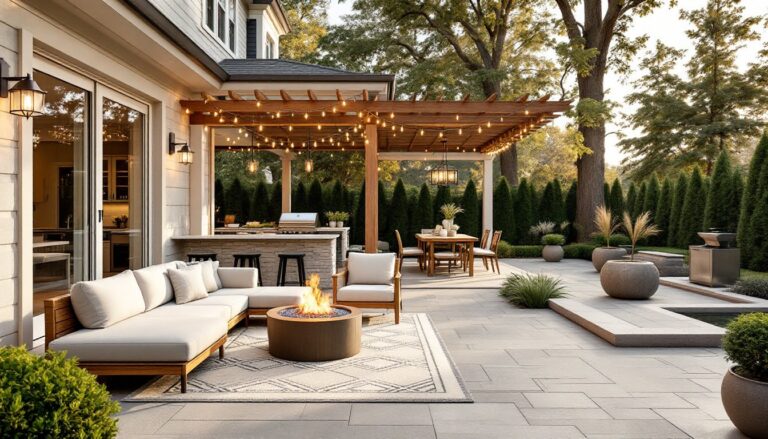
A luxury outdoor kitchen transforms a plain backyard into a cooking and entertainment hub that rivals any indoor setup. Unlike basic grilling stations, these high-end outdoor spaces integrate commercial-grade appliances, weather-resistant materials, and thoughtful design that extends living space beyond four walls. Whether planning a full renovation or upgrading an existing patio, homeowners can create a functional cooking zone that handles everything from weeknight dinners to weekend gatherings. The investment pays off in increased home value, reduced indoor heat during summer cooking, and a setup that actually gets used year-round in moderate climates.
Table of Contents
ToggleKey Takeaways
- Luxury outdoor kitchen ideas can recoup 60-80% of investment at resale, particularly in warmer climates, while keeping homes cooler during hot months and eliminating indoor cooking heat.
- A functional outdoor kitchen requires the work triangle concept (grill, sink, and refrigeration within easy reach), 3-4 linear feet of counter space on each side, and weather-resistant storage to support efficient meal preparation.
- Built-in grills with 304-grade stainless steel construction and 40,000-60,000 BTU ratings outperform portable units, while outdoor-rated refrigerators and side burners add essential versatility to luxury outdoor kitchen designs.
- Premium countertop materials like granite, quartzite, and sealed concrete withstand outdoor elements better than tile, while 316-grade stainless steel in coastal areas and marine-grade polymer cabinets provide durability with minimal maintenance.
- Design styles must complement your home’s architecture—contemporary, rustic, Mediterranean, or tropical themes—with coordinated colors, materials, and outdoor structures like pergolas or roofing to create a cohesive luxury feel.
- Smart technology including Wi-Fi-enabled grills, outdoor refrigerators, and layered LED lighting (task, ambient, and accent) transform outdoor kitchens into year-round entertainment spaces that function seamlessly day and night.
Why Invest in a Luxury Outdoor Kitchen?
Outdoor kitchens deliver measurable returns that go beyond aesthetics. A well-designed outdoor cooking area can recoup 60-80% of its cost at resale in many markets, particularly in warmer regions where outdoor living is a primary selling feature.
Functionality drives the real value. Moving cooking tasks outside during hot months keeps the house cooler and reduces air conditioning costs. A properly equipped outdoor kitchen eliminates the back-and-forth between grill and indoor prep areas, everything from refrigeration to sinks sits within arm’s reach.
Entertainment capacity expands significantly. Instead of the cook being isolated at a standalone grill, an outdoor kitchen keeps them in the conversation while preparing meals. Built-in seating, bar areas, and serving counters create natural gathering spots that indoor kitchens can’t replicate.
Permit requirements vary by jurisdiction, but most municipalities classify permanent outdoor kitchens with gas lines or electrical connections as structures requiring approval. Check local building codes before breaking ground. Installations involving gas lines always require licensed professionals and inspections, regardless of DIY experience level.
Essential Features Every Luxury Outdoor Kitchen Needs
A functional outdoor kitchen requires more than just a grill and counter. Start with the work triangle concept used indoors: positioning the grill, sink, and refrigeration within easy reach of each other minimizes wasted motion during meal prep.
Counter space matters more than most people anticipate. Plan for at least 3-4 linear feet of prep surface on either side of the main cooking zone. This accommodates plating, ingredient staging, and serving without crowding. Standard counter height sits at 36 inches, matching indoor kitchens, though bar-height sections at 42 inches work well for casual dining integration.
Storage needs depend on usage patterns. Waterproof cabinets protect utensils, serving dishes, and dry goods. Marine-grade polymer cabinets resist moisture better than stainless steel in humid climates, while powder-coated aluminum splits the difference on cost and durability.
A sink with hot and cold water changes everything for food prep and cleanup. Running water lines outdoors requires frost-proof fixtures in cold climates and proper drainage to prevent standing water. Most codes require GFCI-protected outlets within 6 feet of any water source.
High-End Appliances and Built-In Grills
Built-in grills define the luxury tier. Unlike portable units, built-ins integrate into countertops with consistent heights and professional-grade performance. Look for models with at least 304-grade stainless steel construction, anything less corrodes quickly in outdoor conditions.
BTU ratings get overemphasized in marketing. A residential outdoor grill performs well in the 40,000-60,000 BTU range across four to six burners. Higher numbers don’t automatically mean better cooking: heat distribution and burner design matter more than raw output.
Refrigeration keeps beverages cold and ingredients fresh without indoor trips. Outdoor-rated refrigerators use weatherproof components and ventilation systems designed for ambient temperature swings. Standard indoor fridges fail quickly when exposed to moisture and heat.
Side burners, warming drawers, and pizza ovens add versatility. A built-in pizza oven reaches temperatures indoor ovens can’t match (700-900°F), producing restaurant-quality results. Gas-fired models heat faster than wood-burning versions but lack the smoke flavor some prefer.
Premium Materials That Withstand the Elements
Material selection determines how well an outdoor kitchen ages. The wrong choices lead to cracking, rust, and constant maintenance. The right ones deliver decades of use with minimal intervention.
Countertop materials face direct sun, rain, and temperature extremes. Granite and concrete both handle outdoor conditions well, but each has trade-offs. Granite resists staining and requires only annual sealing. Concrete offers custom colors and embedded features like drainboards, but needs sealing every 1-2 years and can crack in freeze-thaw cycles without proper reinforcement.
Tile works for budget-conscious builds but creates grout lines that trap moisture and require regular maintenance. Porcelain tile rated for outdoor use handles temperature changes better than ceramic. Quartzite delivers the look of marble with better durability, though it costs more than granite.
Frame and cabinet construction options include stainless steel, masonry, and marine-grade polymer. Stainless steel creates a professional look and resists corrosion when using 316-grade material in coastal areas (304-grade works inland). Masonry, concrete block with stucco or stone veneer, provides maximum durability and design flexibility but requires a solid foundation and often professional installation.
Marine-grade polymer cabinets won’t rust, rot, or corrode. They cost less than stainless steel and install easier than masonry but offer fewer design options. Many luxury kitchens appearing in high-end design features combine materials: masonry bases with stainless steel doors, or polymer cabinets with granite counters.
Roofing and overhead structures extend usability. A simple roof keeps rain off cooking surfaces and creates shade during peak sun. Pergolas with retractable canopies offer adjustable coverage. Building codes treat permanent roof structures as additions, expect permit requirements and setback regulations.
Stunning Design Styles for Outdoor Kitchens
Design style should complement the home’s architecture while creating a cohesive outdoor space. Mismatched styles create visual disconnection that undermines the luxury feel.
Contemporary designs emphasize clean lines, integrated appliances, and minimal ornamentation. Stainless steel appliances pair with concrete counters and frameless cabinets. Horizontal slat fencing and simple plantings reinforce the modern aesthetic. This approach works particularly well with mid-century and modern farmhouse architecture.
Rustic outdoor kitchens incorporate natural stone, wood beams, and textured surfaces. Stacked stone veneer on cabinet faces and support columns creates texture. Reclaimed wood accents (sealed for outdoor use) add warmth without the maintenance headaches of live-edge slabs. This style suits craftsman homes and ranch-style properties.
Mediterranean and Tuscan themes feature arched openings, decorative tile, and earth-tone palettes. Travertine or tumbled marble counters complement terracotta tile floors. Built-in pizza ovens feel at home in this context. These designs suit Spanish colonial and Mediterranean revival homes common in Southern outdoor living spaces.
Tropical resort styles use thatched roof elements (synthetic thatch lasts longer than natural materials), teak or ipe wood accents, and lush plantings. Open-air designs with minimal walls maximize airflow. This works in warm, humid climates where year-round use justifies the investment.
Color choices affect both aesthetics and practicality. Dark counters show water spots and dust more readily than medium tones. Light-colored cabinets reflect heat but show dirt. Many designers split the difference: dark counters with light cabinets, or vice versa.
Creating the Perfect Outdoor Dining and Entertainment Space
The cooking zone needs a companion dining and seating area to function as a complete entertainment space. Layout determines how well the areas work together.
Dining table placement should sit close enough to the kitchen for easy serving but far enough to separate cooking heat and smoke from diners. A distance of 8-12 feet typically works. Built-in benches with weather-resistant cushions save floor space compared to freestanding chairs.
Bar seating along the counter creates casual dining and keeps guests engaged with the cook. Standard bar stools require 24 inches of linear counter space per seat. Footrests at 8-10 inches below the seat height improve comfort for extended sitting.
Shade structures determine usability during peak sun. Pergolas provide partial shade and support climbing plants or retractable canopies. Solid-roof structures offer complete protection but may require engineered plans and inspections depending on size and attachment to the main house.
Fireplace or fire pit integration extends the season in cooler climates. Gas fire features offer convenience with instant ignition and adjustable flames. Wood-burning options provide ambiance and heat output but require ash cleanup and produce smoke that affects seating placement.
Sound systems designed for outdoor use enhance entertainment. Weather-resistant speakers should carry an IP rating of at least IP65 for dust and water resistance. Wireless systems simplify installation but require charging or battery replacement. Wired systems need conduit runs planned during initial construction.
Browsing outdoor kitchen design galleries reveals how successful layouts integrate cooking, dining, and lounging zones into cohesive spaces.
Smart Technology and Lighting for Modern Outdoor Kitchens
Technology integration separates basic outdoor kitchens from luxury installations. Smart features add convenience without unnecessary complexity.
Smart grills with Wi-Fi connectivity allow temperature monitoring via smartphone. Probe thermometers track internal meat temperatures and send alerts when food reaches target doneness. This prevents overcooking and lets the cook step away without constant checking. Models with multiple probes handle different cuts simultaneously.
Outdoor refrigerators with smart features track inventory and adjust temperatures remotely. The practicality depends on usage patterns, weekend entertainers benefit more than occasional users.
Voice control integration works through outdoor-rated smart speakers. Waterproof models with IP67 ratings handle splashes and rain. Voice commands control music, timers, and connected appliances without touching controls with messy hands.
Lighting transforms outdoor kitchens from daytime-only spaces to evening entertainment zones. Layer three types: task lighting over work surfaces, ambient lighting for general illumination, and accent lighting for visual interest.
Task lighting needs 50-75 foot-candles of illumination at counter height. LED strip lights under upper cabinets or shelves provide shadow-free prep lighting. Dimmable fixtures allow adjustment based on activity, bright for food prep, lower for dining.
Ambient lighting establishes overall visibility. Overhead fixtures on 8-10 foot ceilings should produce 20-30 foot-candles at floor level. Pendant lights over islands and bars add style while providing functional illumination.
Accent lighting highlights architectural features and landscaping. Uplights on stone columns, path lights along walkways, and backlighting behind translucent panels create depth and visual interest after dark.
All outdoor lighting must use wet-location-rated fixtures and GFCI-protected circuits. LED technology dominates outdoor applications for energy efficiency and longevity, quality fixtures last 25,000-50,000 hours compared to 1,000-2,000 for incandescent bulbs.