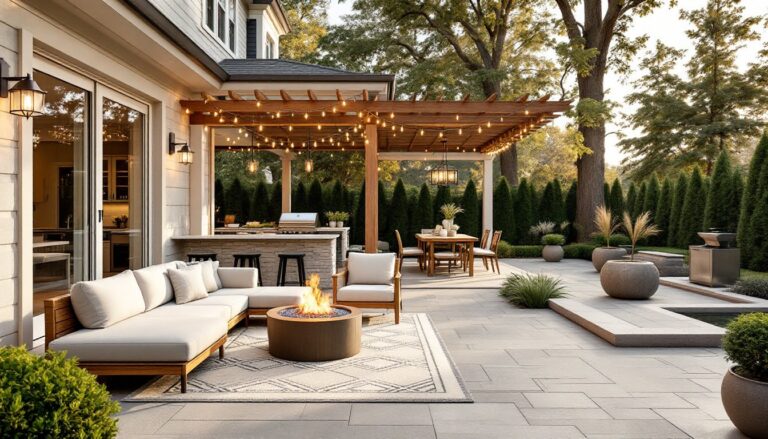
A well-placed gazebo can turn an ordinary patio into a true outdoor room, one that offers shade, shelter, and a defined gathering spot that feels intentional. Whether someone’s looking to host weekend cookouts, carve out a reading nook away from the sun, or simply add structure to an open yard, a gazebo anchors the space and makes it more usable year-round. The range of styles, materials, and configurations available in 2026 means there’s a design for nearly every budget, skill level, and aesthetic preference. This guide walks through proven gazebo ideas that balance form, function, and buildability.
Table of Contents
ToggleKey Takeaways
- Patio gazebo ideas range from classic wooden designs ($1,200–$2,500 for 10×10 kits) to modern metal frames, offering options for every budget and aesthetic preference.
- Proper foundation with concrete footings below the frost line is critical for structural integrity; check local building codes as depth requirements vary from 12 to 42 inches depending on climate.
- Screened-in gazebos transform shade structures into bug-free outdoor rooms by using fiberglass or aluminum screening with proper door mechanisms and ventilation like gable vents or ceiling fans.
- Louvered or retractable canopy systems create hybrid pergola-gazebo designs that adjust for varying sun intensity, with motorized options adding $2,000–$5,000 but responding to rain sensors and app controls.
- Budget-friendly DIY gazebo projects can be built for $400–$700 in materials using simple geometry, pressure-treated posts, and lightweight roofing like corrugated PVC panels.
- Furnish your gazebo with weather-resistant seating, string lights or LED puck lights, outdoor rugs, and rated outdoor curtains to transform it from an empty frame into a functional gathering space.
Classic Wooden Gazebo Designs for Timeless Appeal
Wood remains the go-to material for traditional gazebo construction, it’s workable with standard carpentry tools, accepts stain and paint readily, and blends naturally into most landscaping. The most common shapes are octagonal, hexagonal, and rectangular, with octagonal structures offering 360-degree sightlines and a symmetrical look that suits formal garden settings.
Pressure-treated pine is the budget-friendly standard. It resists rot and insect damage when properly maintained, and a typical 10×10-foot kit starts around $1,200–$2,500 (material only, regional pricing varies). Plan on annual sealing or staining to prevent graying and splintering. Cedar and redwood cost more, roughly 40–60% above treated pine, but they weather gracefully without treatment and offer tighter grain and fewer knots. Both resist warping and hold up well in humid climates.
For structural integrity, most wooden gazebos use 4×4 posts set in concrete footings that extend below the frost line (check local building codes, depth requirements range from 12 to 42 inches depending on climate). Rafters are typically 2×6 or 2×8 lumber depending on roof span and snow load. A shingle roof adds traditional charm but requires solid sheathing and underlayment: standing-seam metal is lighter, lasts longer, and sheds snow and leaves more efficiently.
Permits are often required for permanent gazebos over 120 square feet or those with electrical wiring. Even smaller structures may need inspection if they’re anchored to a concrete slab or deck.
Modern Metal and Steel Gazebo Styles
Metal gazebos deliver clean lines, minimal maintenance, and the ability to span longer distances without mid-span supports. Powder-coated aluminum is the lightest and most corrosion-resistant option, ideal for coastal areas or anyone who doesn’t want to repaint every few years. These frames are typically pre-fabricated with bolt-together assembly, and a 10×12-foot model runs $800–$2,000 depending on roof material and finish quality.
Steel gazebos are heavier and more rigid, making them better suited to windy sites or larger spans. Look for galvanized or powder-coated finishes to prevent rust. Wall thickness matters: 16-gauge steel offers good strength without excessive weight, while 14-gauge is overkill for most residential applications. Steel frames pair well with polycarbonate or corrugated metal roofing, both of which are lighter than shingles and require less structural support.
One advantage of metal construction is the ability to integrate modern features without compromising the frame. Many outdoor living designs now incorporate built-in LED strips along the rafters, retractable canopies, or louvered roofs that adjust for sun angle. These are trickier to retrofit into wood frames.
Anchor metal gazebos with concrete footings or ground anchors rated for wind uplift in the local area. Don’t rely on tent stakes or surface weights, metal structures catch wind like sails, and undersized anchoring is a common failure point.
Cozy Screened-In Gazebo Options for Bug-Free Relaxation
Screening transforms a gazebo from a shade structure into a livable outdoor room. Fiberglass screening is the standard, it’s affordable, doesn’t corrode, and comes in 18×16 mesh (standard) or 20×20 mesh (no-see-um grade for smaller insects). Aluminum screening costs slightly more but resists sagging and pet damage better.
The key to a functional screened gazebo is the framing system. DIY installations often use screen spline and channel, which works but looks utilitarian. A cleaner approach is to rout a 3/8-inch groove into vertical posts or battens and press spline directly into the wood, this hides hardware and creates a tighter seal. Pre-made screen panels with aluminum frames are another option: they slide into routed channels and can be removed for winter storage.
Door options matter more than most people realize. A simple flap closure will frustrate anyone carrying a tray or a toddler. Install a spring-loaded screen door with a magnetic or friction catch. For high-traffic setups, a double door (one hinged left, one right) eliminates the bottleneck.
Ventilation is critical in a fully screened structure. Without airflow, the space becomes a greenhouse. Adding gable vents or leaving the top 12–18 inches of the walls open (with screening) promotes cross-breeze. Ceiling fans help, but they require electrical service, plan for a dedicated GFCI-protected circuit if wiring is involved. Most jurisdictions require a permit for any outdoor electrical work beyond low-voltage landscape lighting.
Pergola-Gazebo Hybrid Ideas for Flexible Shade
A pergola offers partial shade and an open feel, while a gazebo provides full cover and enclosure. Combining elements of both creates a structure that adapts to different uses and weather conditions. The typical approach is to build a gazebo frame with a slatted or louvered roof instead of solid sheathing.
Louvered systems, either manual or motorized, let users adjust the angle of the slats from fully open (pergola mode) to fully closed (gazebo mode). Motorized louvers cost significantly more (add $2,000–$5,000 for a 10×12 installation), but they respond to rain sensors and can be controlled via app. Manual systems use a crank or pull-chain and are simpler to maintain.
Another hybrid option is a retractable canopy mounted to a solid gazebo frame. Heavy-duty outdoor fabrics like Sunbrella resist UV and mildew, and a track-mounted system allows the canopy to slide open or closed as needed. This approach works well in regional outdoor living setups where sun intensity varies by season. Expect to replace fabric every 5–7 years depending on exposure.
For a low-tech version, build a standard gazebo with open rafter spacing (16 inches on center instead of the usual solid sheathing) and drape outdoor curtains or shade cloth from hooks mounted to the rafters. It’s not as tidy as a louvered system, but it’s flexible and costs a fraction of a motorized setup.
Creative Decorating and Furnishing Tips for Your Patio Gazebo
A bare gazebo frame doesn’t invite use, furnishing and lighting make the difference between a structure that sits empty and one that becomes the default hangout spot. Start with weather-resistant seating that can stay in place year-round. Resin wicker and powder-coated aluminum frames hold up better than wood, which requires regular sealing. Cushions should have solution-dyed acrylic covers (not just water-resistant polyester) and removable inserts for off-season storage.
Lighting sets the mood and extends usability into the evening. String lights are the easiest retrofit, hang them along the rafters using cup hooks or screw eyes spaced 18–24 inches apart. For a cleaner look, install recessed LED puck lights into the underside of the rafters or beam headers. Low-voltage systems (12V) are safer and easier to DIY than line-voltage setups, but they require a transformer and proper wire sizing (typically 12- or 14-gauge for runs under 50 feet).
Many porch and outdoor living ideas incorporate outdoor rugs to define the seating area and add warmth underfoot. Polypropylene rugs resist mold and fade less than natural fibers. Hose them off periodically and let them dry fully to prevent mildew underneath.
For privacy and wind protection, add outdoor curtains on one or more sides. Mount them using stainless steel or coated cable strung between eye bolts, or use curtain track systems designed for outdoor use. Grommeted panels are easier to slide than rod-pocket styles. Choose fabrics rated for outdoor use, indoor curtains will fade and rot within a season.
Budget-Friendly DIY Gazebo Projects and Materials
Building a gazebo from scratch is more accessible than many people assume, especially if the design sticks to simple geometry and standard lumber dimensions. A basic 8×8-foot square gazebo with a hip roof can be framed using 4×4 pressure-treated posts, 2×4 rafters, and 2×6 beams. Material costs run roughly $400–$700 depending on lumber prices and roofing choice.
The foundation is the most critical step. Concrete footings are the gold standard, dig holes below frost line, set sono tubes, pour concrete, and embed post anchors or J-bolts. For non-permanent installations or rental properties, ground anchors or deck blocks work, but they won’t meet code in most areas for structures with roofs.
A gable roof is simpler to frame than a hip roof and uses less lumber. It also sheds water more aggressively, which matters in heavy snow or rain regions. Cover it with corrugated PVC panels ($1–$2 per square foot) for a lightweight, waterproof option that doesn’t require sheathing. Metal roofing costs more but lasts decades and reflects heat better than asphalt shingles.
Tool requirements are modest: a circular saw or miter saw for cuts, a drill/driver for fasteners, a post level, a speed square, and a tape measure. A framing nailer speeds up assembly but isn’t necessary. Use galvanized or stainless steel fasteners, regular deck screws will rust and stain the wood.
Pre-fab gazebo kits eliminate much of the cutting and planning. They range from $500 for basic pop-up canopy frames to $3,000+ for engineered wood or metal kits with all hardware included. Assembly typically takes a full weekend with two people. Read reviews carefully, hardware quality and instruction clarity vary widely between brands.
Conclusion
A well-chosen gazebo adds usable square footage to a patio without the permitting and expense of a full addition. Whether someone opts for a traditional wooden octagon, a low-maintenance metal frame, or a hybrid structure with adjustable shade, the key is matching the design to the site conditions, intended use, and skill level. Solid footings, appropriate fasteners, and realistic expectations about maintenance will ensure the structure performs well for years.