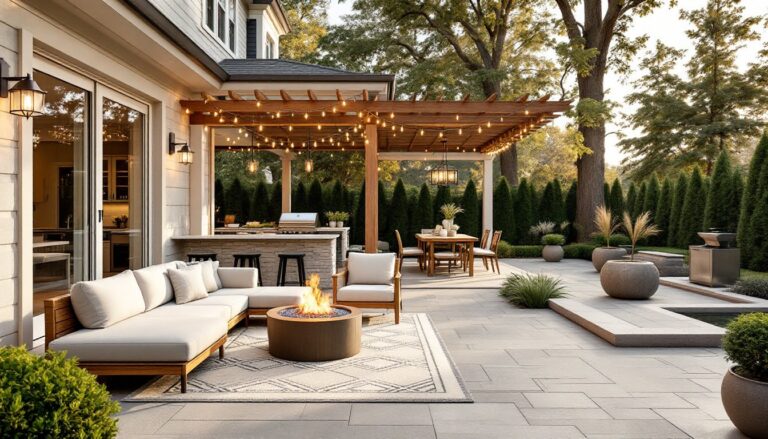
Pea gravel patios offer a versatile, budget-conscious alternative to poured concrete or high-end pavers. These small, rounded stones, typically ¼” to ⅜” in diameter, create a soft, permeable surface that drains well and feels relaxed underfoot. Whether aiming for a sleek modern courtyard or a cottage garden retreat, pea gravel adapts to nearly any design aesthetic. Installation doesn’t require special tools or a permit in most jurisdictions, making it an approachable weekend project for motivated DIYers. The following ideas showcase proven designs, material pairings, and practical techniques to help homeowners build a durable, attractive pea gravel patio.
Table of Contents
ToggleKey Takeaways
- Pea gravel patio ideas range from modern minimalist designs with steel edging to rustic cottage styles, offering versatile aesthetics for any home at a fraction of the cost of concrete or pavers.
- A basic pea gravel patio costs $150–$250 for a 10×10-foot space and requires minimal tools, making it an accessible weekend DIY project without permits or special equipment.
- Proper site preparation—including landscape fabric, 4–5 inches of excavation, and adequate edging—prevents weed growth and ensures a stable, long-lasting surface.
- Pea gravel drains water naturally, reducing runoff and supporting groundwater recharge, making it an environmentally smart choice for areas with heavy rainfall or poor-draining soils.
- Mixing pea gravel with pavers or stepping stones creates both visual interest and improved walkability while maintaining the permeable, low-maintenance benefits of loose stone.
- Regular maintenance involves monthly raking, hand-pulling weeds, and top-dressing with fresh gravel every 2–3 years to keep your patio looking sharp and functioning well.
Why Choose Pea Gravel for Your Patio?
Pea gravel delivers several functional advantages over solid-surface options. Its natural permeability allows rainwater to drain through rather than pooling, reducing runoff and supporting local groundwater recharge. This makes it a smart choice in areas with heavy rainfall or clay soils that don’t drain well.
Cost is another strong selling point. At roughly $30–$50 per cubic yard (depending on local suppliers and transport), pea gravel runs significantly cheaper than flagstone, stamped concrete, or porcelain pavers. A 12×12-foot patio requires about two cubic yards at a 2″ depth, putting material costs around $60–$100 before edging and landscape fabric.
Installation is straightforward. There’s no mixing, curing, or precision leveling required. A weekend warrior with a wheelbarrow, rake, and tamper can lay a functional patio. Because the stones shift slightly underfoot, the surface is forgiving, no cracking from freeze-thaw cycles or tree roots.
Pea gravel also stays cooler in direct sun compared to dark asphalt or sealed pavers, a welcome trait in warmer climates. Its informal texture blends seamlessly with plantings, softening the transition between hardscape and garden beds.
Modern Minimalist Pea Gravel Patio Designs
Clean lines and monochromatic palettes define modern pea gravel patios. Designers often use white or light-gray gravel to echo contemporary architecture, pairing it with steel edging or poured-concrete borders for crisp definition. The result is a low-maintenance outdoor room that complements mid-century and industrial-style homes.
To achieve this look, install ¼” steel edging around the perimeter, anchoring it with 12″ landscape stakes every 3 feet. This prevents the gravel from migrating into adjacent lawn or planting beds. Pour a shallow concrete curb if a more substantial border is desired: keep it 4″ wide and flush with the gravel surface for a streamlined profile.
Furniture selection matters. Powder-coated metal chairs, teak benches with straight legs, and low-profile fire tables reinforce the minimalist vibe. Avoid ornate wrought iron or heavy wood pieces that clash with the understated aesthetic.
Sparse plantings work best here, think sculptural grasses like Miscanthus sinensis ‘Morning Light’ or clumping bamboo in galvanized containers. Resist the urge to dot the space with too many pots: three to five large planters have more impact than a dozen small ones. Lighting can be recessed into the gravel bed using low-voltage LED fixtures with aluminum housings, maintaining the sleek visual language.
Rustic and Cottage-Style Pea Gravel Patios
Cottage gardens thrive alongside pea gravel’s informal character. Warm-toned stones, tan, buff, or mixed earth hues, pair naturally with climbing roses, lavender hedges, and wildflower borders. The gravel serves as a neutral backdrop that lets blooms and foliage take center stage.
Edging here can be more relaxed. Reclaimed brick laid in a soldier course (vertically on end) or weathered timber headers add rustic charm without rigid geometry. Allow plantings to spill over the edge, softening transitions. Creeping thyme, Corsican mint, or chamomile tucked between gravel and border stones release fragrance underfoot.
Incorporate salvaged elements: a vintage iron bistro set, an old wooden wheelbarrow planted with annuals, or a stone birdbath centered in the space. These pieces reinforce the lived-in, collected-over-time aesthetic that defines cottage style.
For a Mediterranean twist, swap northern perennials for drought-tolerant herbs like rosemary, sage, and oregano. Terra-cotta pots in varying sizes, a small olive tree, and a simple wooden pergola draped with grapevine complete the transformation. Many garden design ideas emphasize blending textures and allowing plants to naturalize within the gravel, creating a seamless indoor-outdoor flow.
Combining Pea Gravel with Pavers and Stepping Stones
Mixing materials adds visual interest and improves walkability. Large-format pavers or flagstones create stable footing for furniture and foot traffic, while pea gravel fills the joints and surrounding area. This hybrid approach balances the softness of loose stone with the structure of solid surfaces.
Start by laying out 12×12″ or 18×18″ concrete pavers in a grid or staggered pattern. Space them 4″–6″ apart, depending on desired gravel visibility. Excavate to accommodate both the paver thickness and a 2″–3″ gravel base, ensuring the tops sit flush with the surrounding grade. Compact the base with a hand tamper or plate compactor before setting pavers.
Once pavers are in place, spread landscape fabric over exposed soil to suppress weeds, then pour pea gravel to fill gaps and cover the fabric. Rake level and tamp lightly. The gravel locks pavers in position while allowing water to permeate.
Stepping stones work similarly but offer more creative freedom. Use irregular flagstone pieces spaced 18″–24″ apart for a meandering garden path that transitions into a full patio. This technique suits cottage-style outdoor spaces where formality gives way to organic flow. For a contemporary look, cast custom concrete rounds or hexagons and embed them in a sea of white gravel.
Budget-Friendly DIY Pea Gravel Patio Installation
A basic pea gravel patio requires minimal tools and materials, making it one of the most accessible hardscape projects. Here’s a straightforward installation sequence:
Materials List
• Pea gravel: Calculate coverage at 2″ depth (1 cubic yard covers ~160 square feet)
• Landscape fabric: Commercial-grade woven fabric, not flimsy plastic sheeting
• Edging: Steel, aluminum, or pressure-treated 2×4 lumber
• Crushed stone base (optional but recommended for high-traffic areas): ¾” clean gravel or recycled concrete
• Landscape stakes: 12″ steel or heavy-duty plastic
Installation Steps
- Mark the perimeter with spray paint or stakes and string. Square corners using the 3-4-5 triangle method.
- Excavate to a depth of 4″–5″ (2″ for gravel, 2″–3″ for optional base). Slope the excavation ¼” per foot away from structures for drainage.
- Install edging along the perimeter, securing with stakes every 3 feet. Check level across the site.
- Lay landscape fabric over bare soil, overlapping seams by 6″. This step is non-negotiable: skipping it invites weeds within a season.
- (Optional) Add and compact a crushed stone base if the patio will support heavy furniture or frequent foot traffic. This layer stabilizes the pea gravel and reduces settling.
- Pour and spread pea gravel to the desired depth. Rake smooth and tamp lightly with a hand tamper. Wet the surface with a garden hose to help stones settle.
Total material cost for a 10×10-foot patio typically runs $150–$250, depending on edging choice and whether a base layer is included. Many home improvement resources recommend renting a plate compactor ($40–$60 per day) for larger installations to ensure a stable, long-lasting surface.
Maintenance Tips for Long-Lasting Pea Gravel Patios
Pea gravel patios demand light but regular upkeep to stay looking sharp and functioning well. The good news: maintenance is simpler than sealing pavers or power-washing concrete.
Weed Control
Even with landscape fabric, occasional weeds will sprout. Hand-pull them promptly before they establish deep roots. For persistent problems, apply a pre-emergent herbicide labeled for use over landscape fabric in early spring. Avoid non-selective herbicides like glyphosate unless spot-treating isolated weeds, as overspray can damage nearby plantings.
Raking and Leveling
Foot traffic and weather will shift gravel over time. Rake the surface monthly to redistribute stones and maintain an even 2″ depth. Pay attention to high-traffic paths and areas near seating, where gravel tends to thin out. Top-dress with fresh gravel every two to three years to compensate for loss and compaction.
Edging Maintenance
Check edging integrity twice a year. Steel and aluminum edging can work loose if stakes corrode or shift. Re-stake as needed. Wooden edging will eventually rot: expect to replace pressure-treated lumber every 8–10 years, cedar or redwood every 12–15 years.
Seasonal Cleanup
Fallen leaves and organic debris settle into gravel and decompose, creating pockets of soil where weeds thrive. Rake or use a leaf blower to clear debris in fall and spring. A stiff-bristle push broom works well for smaller patios.
Drainage Issues
If puddles form, the landscape fabric may be clogged or the base has settled unevenly. Rake back gravel, inspect fabric, and replace if necessary. Re-grade the base to restore proper slope before replacing fabric and gravel.
Conclusion
Pea gravel patios combine affordability, permeability, and design flexibility in a single DIY-friendly package. Whether pairing stones with modern steel edging or letting them mingle with cottage-garden plantings, the material adapts to a homeowner’s vision without demanding specialized skills or equipment. Proper site prep, excavation, fabric, and edging, sets the foundation for years of low-maintenance outdoor enjoyment.